
20 Small Ways to Notice the Changing Seasons

There was a time when knowing the season meant understanding considerably more than the name printed at the top of a calendar. The changing year determined when fields could be worked, when certain foods would become available and how much preparation was needed before the cold weather arrived. People learned to recognise the signs because their lives depended upon them, and much of that knowledge was acquired through the ordinary experience of living in the same place for many years. A particular tree coming into leaf, the condition of the soil after rain or the return of a familiar bird could tell someone something useful about the weeks ahead. The landscape was continually offering information, and people became familiar with its language through the simple necessity of paying attention.
I have been thinking about this quite a lot while researching my family history in Scotland and Ireland. Several of my ancestors worked on farms during the nineteenth century, and I find myself wondering what their relationship with the changing seasons might have been like. I know something of the places they lived and the occupations recorded beside their names, but those official documents tell me very little about the ordinary days that made up their lives. They cannot tell me which signs of approaching spring they recognised, whether they looked forward to the first warm days after winter or how well they knew the fields and countryside surrounding their homes. Yet I imagine the changing year must have been an unavoidable part of their existence, influencing the work they undertook and the way their households prepared for what was coming.
The National Museum of Ireland preserves a fascinating account of the traditional farming year, in which the beginning of February, associated with Saint Brigid's Day, marked the beginning of a new agricultural cycle as daylight increased and the first signs of growth appeared. In Scotland, surviving agricultural records describe a similarly close relationship between the calendar and the work of the land, although the timing of particular tasks depended upon local conditions. A farmer might be preparing ground for sowing while still watching the weather closely enough to know that the soil was not yet ready. Haymaking required a suitable spell of weather, and harvest could be delayed by rain long after the calendar suggested it ought to have been completed.
I find it interesting to consider how much attention this would have required. The seasons were unlikely to have been experienced as the four neatly divided periods we recognise today. There would have been weeks of uncertainty between them, when the signs of one season appeared while the conditions of another remained. I wonder whether the close familiarity people developed with their surroundings is something we have gradually lost as our daily lives have become less dependent upon the land.
Today, we can learn the date of the next equinox in seconds, consult detailed weather forecasts and purchase many foods throughout the year without giving much thought to when they naturally grow. These are conveniences I appreciate, particularly when I consider how uncertain life could be for the generations before us. But there is a difference between knowing what the weather is expected to do and becoming familiar with the way a particular place responds to it. I have begun to think that much of the pleasure of noticing the seasons lies in recovering a little of that familiarity, allowing the natural world to become something we recognise through repeated encounters rather than something we simply pass through.
The Seasons Belong to the Land
Living in Australia has made me particularly aware of how imperfectly the familiar European seasons describe the world around us. We are taught that spring begins in September, summer in December, autumn in March and winter in June, yet the landscape rarely seems interested in following these dates precisely. In some parts of the country, the distinction between wet and dry periods is far more meaningful than the difference between summer and winter. Even within the same region, the timing of flowering, rainfall and animal activity can vary considerably from one year to another.
Aboriginal and Torres Strait Islander peoples have understood these local differences for thousands of years, developing detailed seasonal knowledge through sustained relationships with Country. These traditions are distinct to particular peoples and places, and they encompass far more than the observation of weather. Seasonal knowledge can inform the availability of food, the behaviour of animals and the responsibilities involved in caring for the land. I find it especially interesting that the beginning of a season may be recognised through changes in the living world rather than the arrival of a predetermined date.
The Nyoongar people of south-western Australia, for example, recognise six seasons, each associated with particular environmental conditions and changes in plants and animals. The appearance of certain flowers, the behaviour of reptiles and the moulting of swans are among the signs described in the seasonal calendar shared through the Bureau of Meteorology. The seasons are not necessarily equal in length, and their arrival is understood through what is happening in the surrounding environment. This is knowledge belonging to Nyoongar Country, developed and maintained through a relationship with that particular landscape.
What I find valuable in learning about these traditions is the reminder that seasonal knowledge is inseparable from place. The natural rhythms of one region cannot simply be transferred to another, and even the familiar four-season calendar of my Scottish and Irish ancestors may be a poor guide to the Australian landscape in which I now live. I would like to become more familiar with the seasonal knowledge of the Country I happen to be living on, while recognising that the depth of understanding held by its Traditional Owners comes from generations of observation, cultural knowledge and responsibility. It is a very different relationship from my own, but it encourages me to question how much I truly know about the places I call home.
This is where noticing the seasons can begin for those of us who have become accustomed to moving frequently or living at some distance from the natural world. We may know the names of the seasons perfectly well without recognising many of the signs that distinguish them in our own surroundings. The calendar tells us when spring has begun, but it cannot tell us which plant near our home will flower first, or how the local birds behave when the weather begins to change. Those are things we must learn by being there.

Changing Seasons and The Familiarity of Returning
One of the pleasures of walking our dog is the familiarity that develops with a particular route. Even when we have been living somewhere for only a short while, there are places we begin to recognise through repetition. I might pass the same tree each morning without paying much attention to it, until one day something has changed. Perhaps there is new growth along a branch that was bare the week before, or the ground beneath it has begun collecting fallen leaves. Once I notice the change, I find myself looking for it again the following day, curious about what might happen next.
I think this is one of the simplest ways to become more attentive to the seasons: to return to the same place often enough that its changes become familiar. There is no need for an especially beautiful landscape or a long walk through the countryside. A tree beside an ordinary suburban footpath can become a source of interest when we begin to know it well. We might notice that one side receives more sunlight and produces new leaves earlier than the other, or that its flowering seems to coincide with a particular change in the weather. Over time, these observations become part of our understanding of the place.
There is a scientific name for the study of recurring seasonal events in the lives of plants and animals. Phenology examines the timing of such things as flowering, leaf growth, migration and breeding, and how these events respond to environmental conditions. Although the word may be unfamiliar, the practice itself is something people have engaged in for centuries. A person who remembers when the first blossoms appeared on a tree last year is already making the kind of observation that can contribute to our understanding of seasonal change.
In Britain, the Woodland Trust's Nature's Calendar project has brought together observations from volunteers and historical records to help researchers understand how the timing of natural events is changing. A study led by researchers at the University of Cambridge examined more than 400,000 observations of 406 plant species and found that the average first flowering date between 1987 and 2019 was almost a month earlier than the average recorded between 1753 and 1986. The findings offer a striking example of how ordinary observations, accumulated across generations, can reveal changes that might otherwise be difficult to recognise within a single lifetime.
I find this particularly moving when I think about the people who made those earlier records. Some may have been naturalists carefully documenting their observations, while others were simply interested in the plants growing around them. They could not have known exactly how their notes might be used centuries later, yet their attention has become part of a much larger understanding of the natural world. It makes me think differently about the value of writing down the date when something flowers or noting the arrival of a familiar bird. What seems almost insignificant in the moment may become meaningful when it is remembered and compared with what happens in the years that follow.
Learning to Read the Ordinary Year
Some of the most interesting signs of seasonal change are those we encounter in the course of an ordinary day. The movement of sunlight through a room is one example. There are times of year when the afternoon sun reaches further across the floor than it did a few months earlier, illuminating a corner that has spent much of the year in shadow. The change happens so gradually that I may not notice it for weeks, until one afternoon I find myself sitting in a familiar room that looks unexpectedly different. The house has become a kind of calendar, recording the movement of the year through the changing angle of the light.
The lengthening and shortening of the days has a similar effect on our routines. I find that the first evening when I notice how early it has become dark can be surprisingly affecting. The change has been taking place for weeks, a little at a time, yet there comes a moment when it becomes impossible to ignore. We begin turning on lamps earlier, and the activities that seemed to belong naturally to the late afternoon gradually move indoors. I imagine this would have been particularly important to my farming ancestors, whose work depended so heavily upon the available daylight. For us, electric lighting makes the shorter days far easier to manage, but I still feel the change in the rhythm of our household.
There are also seasonal changes that arrive through sound. A bird call for example may fall quiet for part of the year, only to be heard again when the conditions are right. I love the experience of recognising a sound before I have remembered exactly what made it. Sometimes it is enough to know that the bird has returned, although I increasingly enjoy learning the names and habits of the creatures living around us. Once we become familiar with a particular species, its behaviour can tell us something about the time of year. We may notice birds gathering nesting material or returning repeatedly to the same sheltered place, and gradually become aware of the breeding activity taking place nearby.
The ground itself offers a different kind of record, especially here in Australia. After a long dry period, rain can transform a familiar walking track. A patch that seemed hard and lifeless during the dry months may suddenly produce new growth, while another area remains bare because the conditions are unsuitable. There is something fascinating about discovering how much is happening beneath the surface, even when the landscape appears relatively unchanged.
What We Notice Changes How We Feel
I have wondered whether the pleasure I take in these small observations is simply a personal inclination, or whether there is something more widely shared in the experience of paying attention to the natural world. There is now a growing body of research examining the relationship between nature connectedness and wellbeing, and some of the findings are particularly interesting because they suggest that our experience of nature depends upon more than the amount of time we spend outdoors.
In a 2022 study published in Frontiers in Psychology, researchers investigated whether deliberately noticing everyday nature could improve wellbeing during winter. Sixty-five adults were randomly assigned either to notice natural elements encountered during their daily routines and record their emotional responses, or to one of two comparison groups. Over the two-week study, the participants who practised noticing nature showed improvements in several measures, including positive emotions, feelings of connection with nature and hope. The study was relatively small, and its findings should be understood within that limitation, but I find the underlying idea compelling. It suggests that even familiar surroundings may offer something valuable when we give them our attention.
I think this helps explain why walking the same route can remain interesting long after its novelty has disappeared. There are days when I might scarcely notice the landscape because my thoughts are occupied elsewhere, and others when something as ordinary as the appearance of new flowers draws my attention and changes the way I experience the walk. The surroundings may be almost identical, but my relationship with them is different. I have begun to understand that familiarity does not necessarily make a place less interesting. Sometimes it is only through familiarity that we become capable of recognising what is changing.
Paying closer attention to the seasons might help us become more accepting of the natural variations in our own lives too. We have grown accustomed to expecting a remarkable degree of consistency from ourselves, regardless of the time of year. Work continues, appointments remain in the calendar and the demands of everyday life rarely alter simply because the days have become shorter. Yet the natural world is continually adjusting to changing conditions. Plants grow when circumstances allow, animals respond to shifts in food availability and daylight, and periods of activity are followed by periods in which very little seems to happen.
I find something reassuring in being reminded that change is a fundamental part of living systems. There are periods of abundance and periods of scarcity, times when growth is visible and others when it is taking place beyond our notice. Becoming more familiar with these rhythms can encourage us to be a little less impatient with the changing circumstances of our own lives.

Twenty Places to Begin
If I were to suggest twenty small ways of becoming more familiar with the changing seasons, I would begin with the places we already know. The most meaningful observations are often those we make repeatedly, in surroundings that have become part of our everyday lives. There is no need to turn the experience into another project or to spend hours searching for something remarkable. I think it is enough to become curious about what is happening nearby.
A familiar tree is a wonderful place to begin. We might watch for the first new leaves, notice the arrival of flowers or observe how the ground beneath it changes throughout the year. A small patch of earth can be equally interesting, particularly when we return after rain and discover that something has begun growing where there was nothing before. We might follow the life of a single flower from its earliest bud until the petals fall, or become familiar with the seedpods that appear after flowering has finished. These are changes that can take place within a few metres of our front door, yet they offer a surprisingly detailed picture of the passing year.
The sky provides another kind of seasonal record. I like noticing how the afternoon light moves through our living space, and how the time of sunset gradually changes the way we spend our evenings. We might begin watching the moon from the same place, becoming familiar with its changing phases and the times at which it appears. There is also the weather itself, particularly the first morning when the air feels noticeably different, or the smell that rises from dry ground after rain. The sounds of the house can change with the seasons too, as wind and rain become more frequent or the windows remain open longer and allow the outside world to become part of our rooms.
Animals offer their own signs. We can listen for the return of a familiar bird, notice when nesting activity begins or observe the periods when insects become more abundant. There may be a particular time of year when the evenings seem suddenly full of movement around an outside light, followed by weeks when the same place becomes quiet again. I find these changes especially interesting because they remind me that other creatures are moving through their own seasonal lives, responding to conditions that we may scarcely have noticed.
The foods available locally can also help us recognise the year. I enjoy the idea of becoming familiar with what is naturally in season, particularly when visiting a greengrocer or local market. There is something satisfying about waiting for a favourite fruit to return and enjoying it while it is abundant. I imagine this sense of anticipation would have been far more familiar to earlier generations, when the availability of many foods depended much more directly upon the local growing season.
We might also begin paying closer attention to the paths we walk regularly. A familiar track changes after rain, during dry weather and when plants begin growing along its edges. I find it interesting to notice where fallen leaves gather or which parts of a path remain damp long after the surrounding ground has dried. These observations gradually reveal the particular character of a place, and the more often we return, the more readily we recognise its habits.
Perhaps the simplest practice of all is to keep a small record. A notebook containing a few dated observations can become surprisingly meaningful over time. We might write down when a particular tree first flowered, when we heard a familiar bird again or when the first cool evening made us reach for a jumper. The following year, we can look back and compare what happened. I love the thought of keeping such a record for many years, gradually creating a personal account of the seasons in the places where we have lived.
And finally, I think there is something lovely about choosing one seasonal event to look forward to. It might be the flowering of a tree we pass regularly, the return of a favourite fruit or the first evening when the weather becomes cool enough to sit comfortably outside. There is pleasure in knowing that something will return, even when we cannot be certain of the exact day. In a world where so much is available to us immediately, the seasons continue to remind us that some things arrive only when their time has come.
A Calendar of Our Own
I have been thinking again about my ancestors in Scotland and Ireland, and how much of their seasonal knowledge must have disappeared with them and the small observations that would have formed part of their everyday experience have largely been lost. I do not know which signs they looked for when winter began to loosen its hold, or whether they had particular places they returned to throughout the year. I can only imagine how familiar the surrounding countryside must have become through years of working and living within it.
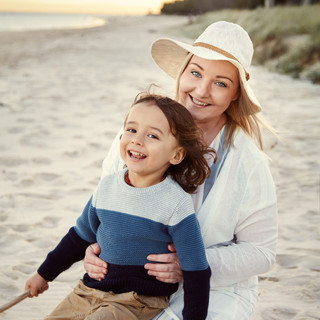
That's one reason I feel drawn towards recovering a little of this knowledge for myself. I cannot recreate the lives they lived, but I can begin paying closer attention to the places in which my own life is unfolding. I can learn the names of plants growing nearby, become familiar with the birds we encounter and remember when certain changes take place. I can share those discoveries with my son and perhaps encourage him to develop his own relationship with the natural world, one that grows from curiosity and repeated experience.
There is something especially meaningful about the possibility of passing this familiarity from one generation to another. I imagine a child growing up knowing that a particular tree flowers at a certain time of year because someone has pointed it out to him each spring. Years later, he may find himself noticing the same thing. The knowledge has become part of his understanding of the world, acquired through ordinary days spent with someone who cared enough to show him.
We may no longer depend upon these observations in the same way that many of our ancestors did, but I think they still have something to offer us. They remind us that the places we inhabit are continually changing, whether or not we are paying attention, and that familiarity is something we develop through time. A calendar can tell us when a season is expected to begin, but the landscape offers a much more particular account of what is happening.
I would like to become better at reading that account, slowly and imperfectly, through the ordinary experience of returning to the same places and noticing what has changed. Perhaps, after enough years, I will have a calendar of my own, made up of things I have come to recognise without needing to look them up. And maybe my son will remember some of them too.
There is still something lovely about finding a story in the letterbox.

The Letterbox at the Cottage is home to The Print Circle bringing dòigh beatha to your door each month, together with a collectable art postcard, a personal letter from Julie Ann and access to the weekly audio stories of The Listening Room.


Comments